Column · @archermqjr276
Garage Door Accessories Parker: Best Choices for Smart Homes
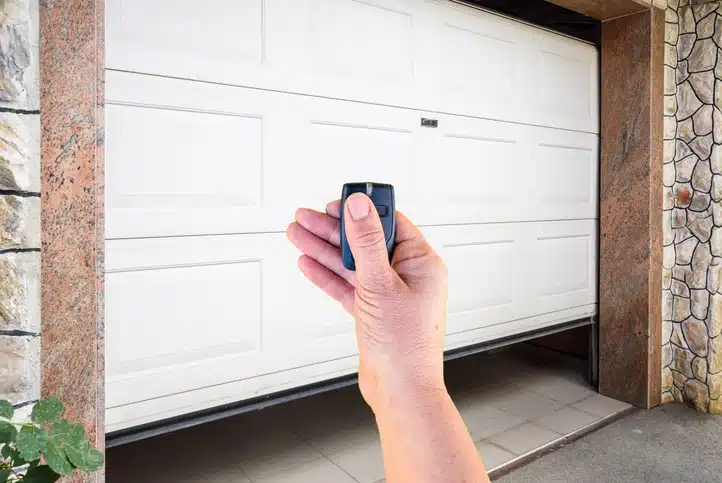

A garage door does much more than open and close. In a place like Parker, where weather swings, busy family schedules, and home security all matter, the right accessories can turn a basic garage into one of the most useful parts of a smart home. I have seen homeowners spend thousands on cameras, thermostats, and lighting inside the house while still relying on a loud, aging garage opener with a weak remote and no alerts. That mismatch creates daily friction, and it often leaves a real security gap.
The garage is one of the most frequently used entry points in many homes. For some families, it gets more use than the front door. Cars come and go, kids use it after school, deliveries are set just inside, and weekend projects start there. When the garage system is outdated, the whole routine feels clunky. When it is set up well, it becomes seamless. You pull in, the lights respond, the door closes on schedule, and your phone confirms the house is secured.
That is why the conversation around Garage Door Accessories Parker homeowners should consider has shifted. People Garage Door Accessories Parker are no longer asking only about horsepower or remote range. They want reliability, smartphone access, battery backup, safer motion detection, stronger connectivity, and accessories that make the garage fit naturally into a broader smart home setup.
What smart homeowners in Parker actually need
Parker homes deal with a few practical realities that shape good buying decisions. Cold mornings can expose weak batteries and stiff hardware. Summer heat inside an uninsulated garage can shorten the life of electronics. Newer neighborhoods may have strong Wi-Fi throughout the house, but detached garages or garages under finished rooms often have connectivity dead zones. Add in school drop-offs, commuting, package theft concerns, and changing schedules, and it becomes clear that convenience alone is not enough.
A smart garage accessory should do one of three things well. It should improve security, reduce daily hassle, or solve a known performance issue. The best choices usually do all three to some degree.
Not every upgrade has equal value. A glossy gadget that looks impressive in an app may add less real benefit than a motion-sensing light module or a reliable keyless entry pad. I have seen homeowners thrilled by live camera footage, only to keep getting locked out because the keypad was cheap and unreliable in winter. Priorities matter.
Start with the accessory that changes everything
If the opener itself is reasonably modern and mechanically sound, the single most useful add-on is usually a smart controller. This is the accessory that lets you monitor and operate the door from a phone, receive status alerts, and create automation rules. For many households, it is the difference between wondering whether the garage was left open and actually knowing.
A good smart controller does not need to be complicated. It needs stable communication between the opener, door sensor, and home network. It should alert you if the door remains open for a set amount of time. It should allow remote closing from anywhere. If multiple family members use the garage, guest access and activity history become valuable quickly. Those details sound small until you are on vacation and notice the garage opened at 3:17 p.m., or until a teenager insists they closed the door and the app says otherwise.
Compatibility matters more than branding. Some openers accept native smart modules from the manufacturer. Others work better with universal retrofit controllers. In practice, native systems tend to feel cleaner and easier to maintain, while universal kits can save money and extend the life of an older opener. The trade-off is usually setup time and occasional quirks with sensors or Wi-Fi pairing.
The accessories that earn their keep
If I were advising a homeowner who wants the best return on money and effort, these are the accessories I would put at the top of the conversation:
- Smart garage door controller with door status alerts
- Wireless keypad rated for outdoor use
- Battery backup for the opener
- Integrated or add-on camera with motion notifications
- LED light upgrade or smart lighting module for the garage zone
Each of these solves a real, recurring problem. The smart controller covers awareness and remote access. The keypad gives family members, dog walkers, or trusted contractors a simple way in without passing around remotes. Battery backup keeps the system functional during outages, which matters more than many people expect. A camera adds accountability and peace of mind. Better lighting makes the garage safer and more usable, especially in winter when evenings arrive early.
The point is not to buy every accessory on the shelf. It is to choose the ones that fit your routine.
Smart controllers, and what separates a good one from a frustrating one
Phone control sounds simple, but real-world performance depends on several factors. First is signal reliability. If the Wi-Fi barely reaches the garage, the app experience will be spotty. Commands lag, door status goes stale, and notifications arrive too late to be useful. In attached garages this is often fixable with a stronger router location or a mesh node. In detached garages, you may need a dedicated extender or a more robust networking plan.
Second is sensor quality. Many retrofit kits use a tilt sensor mounted on the door. These can work well, but poor installation, extreme temperatures, or cheap adhesive can create false readings. Hard-mounted sensors usually hold up better over time.
Third is app design. This sounds trivial until you live with it. A smart accessory is only as helpful as its daily usability. If sharing access takes ten steps, or if notifications cannot be customized, homeowners stop using key features. The best systems let you create schedules, assign permissions, and review event history without hunting through menus.
For Garage Door Accessories Parker residents are exploring, this is one area where paying a little more often saves frustration. A controller that drops offline every few days is worse than no controller at all because it creates false confidence.
Keypads are still underrated
There is a tendency to think smartphone access makes keypads unnecessary. In practice, exterior keypads remain one of the smartest upgrades you can make. They are fast, familiar, and useful when phones die, kids forget keys, or someone needs temporary access.
The better keypads have backlit buttons, weather-resistant housings, and easy code management. Some allow temporary PINs for cleaners, neighbors, or service providers. That is especially helpful if you want to grant short-term access without handing over a remote that could be copied or kept.
There is one caution here. Cheap keypads often struggle first in climates with strong sun exposure or winter cold. Faded buttons, sticky membranes, and battery compartment corrosion show up sooner than homeowners expect. If your garage faces direct afternoon sun, build quality matters.
Placement matters too. Mounting a keypad where it is visible from the street is convenient, but it also announces the access point to everyone passing by. I usually prefer a location with easy reach but a bit of visual shelter, such as a side wall near the frame rather than the most obvious front-facing spot.
Cameras inside the garage, outside the garage, or built into the opener
Garage cameras have improved a lot. Years ago, they were often add-on gadgets with poor night performance and too many false alerts. Today, integrated garage cameras can be genuinely useful, especially when paired with door activity events.
There are three common approaches. One is an opener with a built-in camera. This creates a neat installation and often ties directly into the same app as the door controls. Another is a ceiling or corner-mounted indoor camera aimed at the garage interior. The third is an exterior camera watching the driveway and garage door from outside.
Each serves a different purpose. An interior camera helps verify whether the door closed, whether a package was placed inside, or whether someone accessed stored tools or bikes. An exterior driveway camera is better for vehicle activity, approach detection, and broader perimeter awareness. A built-in camera offers convenience but can have narrower viewing angles than a well-placed standalone unit.
For privacy, placement should be deliberate. Some homeowners are comfortable recording continuously inside the garage. Others prefer event-based recording only. If the garage doubles as a gym, workshop, or family entry zone, those preferences matter. A smart setup should fit how the space is actually used.
Battery backup is not optional for some homes
A power outage always seems minor until the garage door is your primary point of entry. Then it becomes a scramble. Battery backup keeps the opener working during outages, usually for a limited number of cycles depending on the system and battery condition.
This matters in Parker for more than convenience. Outages, tripped circuits, and winter weather can all leave a household unexpectedly depending on manual operation. For an able-bodied person with a lightweight door, that may be manageable. For older adults, families with small children, or households that keep the garage packed with storage, smooth powered access is a bigger deal.
Battery backup also pairs well with smart notification systems. Some units will alert you when the battery is aging or when the opener is operating in backup mode. That is useful maintenance information. Batteries do not last forever, and too many homeowners assume the backup will work years after it should have been replaced.
Lighting often improves the garage more than electronics do
It is easy to obsess over apps and sensors while ignoring the lighting. Yet a dark garage creates everyday annoyance and real safety issues. Poor visibility contributes to trips, misplaced tools, and difficulty checking whether the door tracks are obstructed.
An LED upgrade is one of the simplest and most worthwhile improvements. Good garage lighting should turn on quickly in cold conditions, provide enough brightness across the full depth of the space, and avoid harsh shadows near steps or side doors. If your opener supports smart light modules or if the garage is connected to a larger smart home platform, motion-based scenes can make the whole space feel more polished.
I have seen dramatic improvements from basic lighting changes alone. One homeowner had a smart opener, camera, and app control, but the garage still felt unpleasant because a single weak bulb lit only the center of the room. After adding bright LED fixtures and motion activation near the interior entry, the space became easier to use every day. Sometimes the smartest accessory is the one you notice least because it simply removes friction.
Quiet operation has become a quality-of-life feature
When people talk about garage door accessories, they often overlook components that reduce noise and vibration. Yet for homes with bedrooms above or next to the garage, this can be one of the best smart-home-adjacent investments.
Belt-drive compatible upgrades, vibration isolation brackets, nylon rollers, and improved wall controls do not Garage Door Accessories Parker have the glamour of a mobile app, but they change the experience of living with the system. A garage that shakes the room above it at 6:15 a.m. Is not a small problem if someone works nights or if there is a baby in the house.
Noise reduction also tends to reveal underlying issues. If an opener is still straining loudly after accessory upgrades, the problem may be poor door balance, worn rollers, or aging springs rather than the opener itself. Accessories help, but they cannot compensate for neglected mechanical parts.
Before you buy, check these compatibility points
A few quick checks can prevent the most common accessory mistakes:
- Confirm the opener brand, model, and manufacturing year
- Verify whether your garage has stable Wi-Fi at the opener location
- Check if your door uses photo eyes and standard safety reversal features
- Measure available outlet access and mounting space for add-ons
- Decide whether you want one app ecosystem or are comfortable mixing brands
Most returns and failed installs happen because of one of those issues. A homeowner buys a universal controller that technically supports the opener, only to discover the garage Wi-Fi is too weak. Or they choose a camera that needs constant power in a location without a practical outlet. Or they assume a keypad will pair with an existing receiver when it does not.
That is why experienced installers ask mundane questions first. The exciting features come later.
Integration with the rest of the smart home
A smart garage works best when it behaves like part of the home instead of a separate gadget. Good integration can trigger lights when the garage opens after dark, send alerts if the door stays open after everyone has left, or disarm and rearm certain routines based on arrival. These small touches are what make the technology feel mature rather than gimmicky.
Still, there is a line between useful automation and unnecessary complexity. I generally recommend simple routines first. If the garage opens, turn on lights. If it remains open past a set time, send an alert. If the house enters an away mode and the garage is open, notify the homeowner. Those automations solve actual problems.
More elaborate setups can create edge cases. I have seen households automate the garage to close whenever the security system is armed, only to trap someone outside doing yard work. Smart homes should reduce human error, not create new forms of it.
Security habits matter as much as hardware
No accessory can overcome weak habits. A state-of-the-art opener with app control still becomes a risk if the keypad code is 1234, if remotes are left visible in unlocked cars, or if activity notifications are ignored.
For garages connected directly to the home, the stakes are higher. The garage is not just a storage bay. It is a protected transition zone. That is why I prefer accessories that increase visibility into who opened the door, when they opened it, and whether it closed securely afterward.
Rolling-code remotes are now standard on decent systems, but homeowners with older equipment should verify that they are not still using outdated fixed-code technology. Upgrading receivers and remotes is not the most exciting purchase, yet it can meaningfully improve security. Likewise, a dead battery in a keypad or a worn-out wall control can push people into bad workarounds, such as leaving an entry door unlocked. Small failures tend to create bigger vulnerabilities.
When accessories are enough, and when the opener should be replaced
There is a point where adding smart accessories to an old opener stops making sense. If the unit is noisy, unreliable, lacks modern safety features, or struggles with the weight of the door, a replacement opener may be the smarter investment.
A good rule of thumb is this: if the opener works consistently, has proper safety sensors, and the door itself is in good condition, accessories can extend its usefulness very well. If the opener is over a decade old and has already developed intermittent behavior, accessory spending should be weighed carefully. You do not want to build a smart layer on top of a mechanical foundation that is failing.
For many Parker homeowners, the best path is hybrid. Replace the opener with a modern, quieter unit that includes core smart features, then add only the accessories that fill real needs, such as a keypad, battery backup, or camera. That usually creates a cleaner long-term setup than piecing together three or four aftermarket devices around an aging motor.
Local conditions shape the best choices
What works in one region does not always translate perfectly to another. Parker homeowners often care about garages as multi-use spaces. They store outdoor gear, tools, holiday items, and sometimes use the space for hobbies or workouts. Temperature swings can stress batteries and adhesives. Dust and debris can affect sensors. Strong sunlight on a west-facing garage can wear plastics faster than expected.
These are not reasons to avoid smart accessories. They are reasons to buy with realism. Look for weather-resistant keypads, solid warranty support, and devices with a track record for stable connectivity. If the garage regularly gets very hot or very cold, avoid bargain electronics with thin housings and vague specifications. Better construction tends to show its value over the second and third year, not just the first month.
The best buying approach for most homes
The smartest purchase plan is usually phased. Start with the accessory that solves the most common annoyance or risk, then add from there. If you constantly wonder whether the door is shut, start with a smart controller. If family access is chaotic, add a keypad. If the neighborhood has frequent package concerns or you store expensive gear in the garage, look at camera coverage. If your opener is otherwise dependable but vulnerable to outages, choose battery backup.
That approach keeps the garage from becoming a pile of overlapping gadgets. It also gives you time to learn what you actually use. Some homeowners discover they rely heavily on scheduled closing alerts and never touch live video. Others find the keypad becomes the unsung hero of the whole system. Real value shows up in habits, not feature lists.
For anyone researching Garage Door Accessories Parker options for a smart home, that is the central point. The best choices are not necessarily the newest or most heavily marketed. They are the accessories that hold up in local conditions, fit the way your household moves through the day, and make the garage feel safer, quieter, and easier to trust. When chosen with that standard in mind, even a few targeted upgrades can make a noticeable difference every single day.
Select Garage Doors
11479 Pine Dr
Parker, CO 80134, United States
Phone: (303) 228-0018
FAQ About Garage Door Accessories Parker
Where can I find garage door accessories?
Garage door accessories are available from garage door service companies, authorized dealers, home improvement stores, and specialist suppliers. Select Garage Doors supplies and installs accessories for homeowners in Parker, including compatible remotes, wireless keypads, weather seals, and smart controls. Check your opener model and door specifications before choosing a replacement or upgrade.
How to make a garage door more attractive?
Cleaning the door, refreshing a manufacturer-approved finish, and choosing coordinated decorative handles or hinge accents can improve its appearance. Compatible window inserts may also change the look of an existing window section. Match accessories to the door material and style, and make sure added hardware does not interfere with movement, seals, or safety equipment.
Where can I buy garage door inserts?
Decorative window inserts can be sourced through the door manufacturer, an authorized garage door dealer, or a supplier that carries parts for your specific door series. Match the model, window frame dimensions, and attachment system; inserts are not universally interchangeable. Ask a professional to confirm compatibility before ordering, especially if the work involves glass or changes to a door section.